
Why Are Gel Nails Sticky After Curing?
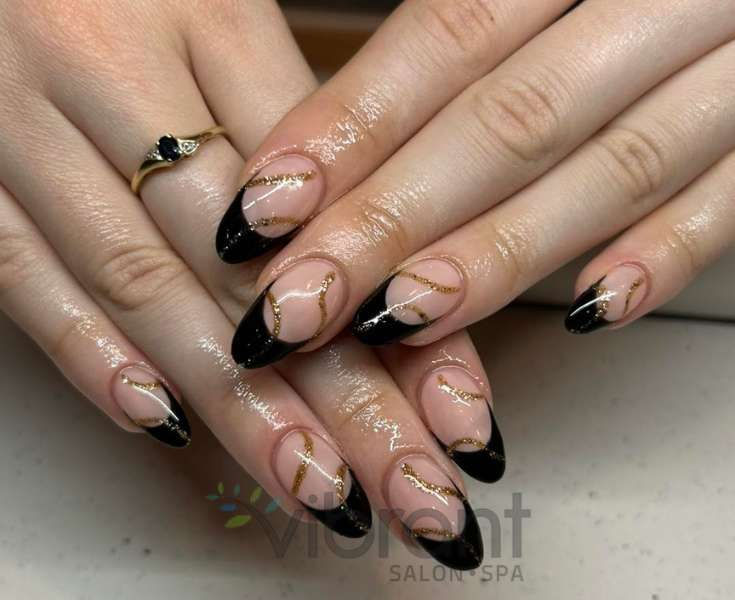
Sticky gel nails are not always a sign that you failed your manicure. Sometimes it is a completely normal gel polish residue, and other times it points to under-cured gel that can lead to peeling, lifting, and nail damage. You have invested time, money, and effort into creating salon-worthy nails at home, only to feel that frustrating tackiness that makes you question everything. The uncertainty of whether to wipe it off, cure it longer, or remove everything and start fresh can turn your relaxing nail session into a stressful guessing game.
The sticky feeling on your gel nails comes from a natural inhibition layer where oxygen prevents complete surface curing, but it can also signal real problems like incorrect lamp wavelengths, overly thick application, or expired products. Understanding the difference between normal tackiness and problematic under-curing is the key to perfect gel manicures. This guide breaks down exactly why that stickiness happens and how to tell when it's normal versus when you need to take corrective action.
Why gel nails feel sticky?
First of all, you need to understand, you are not dealing with a nail art disaster, this is actually normal science at work.
When your gel polish goes through the curing process, something interesting happens. The oxygen exposed to the top layer interferes with how your gel hardens completely. This creates what the nail industry calls an inhibition layer.
This tacky layer acts like nature's double-sided tape for your nails. It helps the next layer of gel stick properly to your nail surface. Your UV or LED lamp does cure the gel underneath, but that thin sticky residue on top serves a purpose.
Only a no-wipe top coat is designed to cure completely smooth without any stickiness. Regular gel systems naturally leave this tacky residue after curing. Your gel nails are still perfectly fine; the polish underneath is fully cured and ready for whatever comes next.

Signs your gel is properly cured vs. under cured
You need to know the difference between normal sticky gel and uncured gel that hasn't hardened right. Your gel nails might feel tacky on top, but the polish underneath should be rock solid. Let's break down what proper curing looks like versus incomplete curing problems.
When your gel polish has cured correctly
Your cured gel should pass a simple touch test after you remove the sticky layer with isopropyl alcohol on a lint-free wipe. Press your nail gently, it should feel like hard plastic, not soft or bendy.
Here's what properly cured gel nails look like:
The nail surface feels completely hard when you press it
No dents appear when you push on the polish coat
You hear a clicking sound when tapped with a tool
The base coat and top coat both feel solid

Warning signs of under cured gel polish
Sticky gel nails that haven't gone through proper curing show clear red flags. If your gel polish feels gummy or soft even after the recommended curing time, something went wrong with your UV lamp or LED lamp.
Watch out for these under-curing problems:
Your gel feels rubbery or dentable under pressure
Wrinkled gel polish or bubbles appear on the nail surface
The polish peels off easily within hours
It looks wet or glossy underneath the tacky residue
4 causes of excess stickiness
Your gel nails are still sticky after curing for reasons beyond that normal inhibition layer. Sometimes your gel polish sticky situation points to real problems with your curing lamp, how you're applying gel polish, or issues with the gel itself. Let's explore the reasons why your gel might stay tacky or sticky when it shouldn't.
Your lamp might be the problem
Your UV or LED lamp plays a huge role in whether your gel polish cures properly. Each specific gel formula needs certain light wavelengths to fully cure, usually around 365nm for UV light or 405nm for LED light.
If your nail lamp wattage seems fine but your gel nails still sticky, check these lamp issues:
The wavelength doesn't match your gel systems requirements
Dust or old gel residue blocks the light from reaching your nails
Your lamp bulbs are over 6-12 months old and losing power
You are not positioning all your nails correctly under the curing light
Make sure your lamp is clean and your thumbs get cured separately. The way you place your hand effects how much UV or LED light hits each nail surface.
Mistakes when applying your gel
How you apply each layer of gel makes a massive difference in curing each layer properly. Thick gel coats are the biggest culprit behind sticky gel polish that won't harden right.
Your gel polish too thickly applied blocks the UV or LED lamp from penetrating through to cure the bottom layers. Dark colors and glitter polishes reflect or absorb light, making the curing process even harder. Always use thin gel coats, think "thin to win" for your gel mani.
Mixing different gel brands causes problems too. One brand's polish might not cure properly under another brand's curing lamp. Stick with matching gel systems for a flawless gel manicure every time.
Problems with your gel products
Sometimes the issue isn't you, it's your gel nail polish itself. Old or improperly stored gel loses its ability to cure correctly under any UV lamp or LED lamp.
Check your gel polish bottles for these red flags. Gel that's been sitting for over 12-24 months starts breaking down. Heat or sunlight exposure can partially cure your gel while it's still in the bottle, making it stringy and uneven.
Using incompatible formulas creates sticky top coat nightmares. A rigid top coat over a flexible base coat causes wrinkled gel polish and tacky spots. Your builder gel curing depends on using products designed to work together for proper gel curing.
Weather and room conditions
Here's something most people dont know about gel polish application, the air around you actually affects how your gel cures. Temperature and moisture in your room can mess with your results.
High humidity makes your no-wipe top coat stay tacky even after proper curing under your UV lamp or LED lamp. The moisture in the air interferes with how the top layer hardens completely.
Work in a room with good airflow and steady temperature for the best gel nail results. This helps your gel polish cure consistently every single time you do your nails before application.

Why should you never ignore uncured, sticky gel on your skin?
Here's something serious you need to know about uncured gel on your nails. That layer of uncured gel polish contains chemicals that can actually harm your skin and cause real problems.
When your gel doesn't cure for the recommended amount of time, it leaves active chemicals on your nail surface. These can soak into your skin and trigger what doctors call a gel nail allergy or acrylate allergy. You might notice itching, blisters, or painful reactions around your nails.
The scary part? Repeated exposure to sticky residue from gel polish that hasn't fully cured can cause your nails to separate from the nail bed. Some people develop such severe sensitivities that even dental work becomes problematic later.
Always wipe the top coat properly and avoid touching uncured gel with bare skin.
How to remove the sticky layer correctly
You need to remove the sticky residue the right way to protect your gel manicure and your skin. Using the wrong technique or products can mess up your beautiful gel nails after curing.
Grab isopropyl alcohol (90% or stronger) or a professional cleanser made for gel. Pour some on a lint-free wipe and swipe from your cuticle toward your nail tip in one smooth motion. Never scrub back and forth, that just spreads the sticky inhibition layer around.
Use a fresh wipe for each nail to remove that sticky residue properly. After you wipe all your nails, wash your hands with soap and water. This removes any remaining sticky layer is made of chemicals that shouldn't sit on your skin.
What if your gel polish not hardening at all? Don't peel it off. File the tacky top coat gently, then soak your nails in acetone or nail polish remover for 10-15 minutes.

5 tips to prevent sticky gel nails in future
Apply thin gel coats that look slightly see-through so UV light can penetrate and cure every layer properly
Cure thumbs separately under your LED lamp or UV lamp to ensure complete light exposure reaches them
Follow recommended curing time on your gel polish bottle, typically 30-60 seconds for color, longer for builder gel curing
Use matching gel systems and lamps together because each brand's gel needs specific wavelengths to fully cure right
Store your gel nail polish in cool, dark spots with tight caps to prevent premature curing or formula breakdown
Pro Tip: For consistent cures, clean the inside reflectors of your lamp regularly and check that all LEDs are firing evenly.
What are the beauty industry myths about gel nail curing?
You've probably heard some confusing advice about gel polish curing that sounds true but isn't. Let's clear up what's real and what's just nail gossip floating around.
Myth: Any UV or LED lamp works perfectly with every gel brand you buy.
Fact: Each gel formula needs specific light wavelengths to cure properly. Your gel might need 365nm UV light or 405nm LED light depending on the brand.
Myth: Higher nail lamp wattage automatically means your gel cures better and faster.
Fact: Light intensity matters more than wattage numbers. A 48-watt lamp might cure worse than a 36-watt lamp with better light distribution.
Myth: You can't over-cure gel polish, so leaving nails longer under the lamp is always safer.
Fact: Too much curing time under UV or LED light causes yellowing and makes your gel brittle and prone to cracking.
Myth: If your gel feels sticky after curing, you messed up your whole gel mani.
Fact: That sticky gel layer is normal for gel, it's the oxygen inhibition layer, not a sign of failure.

Professional gel nail services in Fredericton designed for long lasting results
At Vibrant Salon and Spa, we focus on proper gel application techniques that help prevent common DIY problems like sticky gel nails, uneven curing, peeling, and lifting. We use professional-quality Luxa polish and salon grade curing systems for stronger, longer-lasting results.
If you are looking for a trusted nail salon in Fredericton, our team takes the time to properly prep, apply, and cure every layer to help your manicure last beautifully.
We do not believe in rushed or ordinary manicures. Our goal is to provide one of the best manicure experiences in Fredericton with healthy-looking, glossy nails that feel fully cured and comfortable to wear.
To close
A sticky layer after curing is typically a normal and functional part of the gel process, caused by oxygen inhibition, not an error. However, persistent tackiness, softness, or wrinkling means your gel is under-cured due to issues like lamp mismatch, over-thick application, or expired products.
By using the right lamp, applying thin layers, keeping equipment clean, and wiping correctly with 90% isopropyl alcohol, you’ll eliminate unnecessary stickiness and maintain healthy, long-lasting gel nails.

FAQ's about sticky gel nails
Why does my gel polish peel off after a few days?
Peeling often happens when the nail surface is not prepped correctly or the gel was not fully cured. Oils, thick polish layers, or weak lamps can prevent proper adhesion. Professional prep and thin, even application help gel nails last much longer.
Why does black gel polish stay sticky longer than other colors?
Dark shades like black, navy, and glitter gels usually need thinner coats and longer curing times. Heavily pigmented polish blocks light from reaching the lower layers, which can leave the gel soft underneath even if the surface looks cured.
Can sticky gel nails cause allergies?
Repeated exposure to uncured gel can irritate the skin and increase the risk of gel allergies over time. As nail professionals, we avoid getting uncured gel on the skin and always ensure proper curing to help protect nail health and reduce sensitivity issues.
Why do my gel nails look cloudy after I wipe them?
Cloudiness usually happens when the sticky layer is spread around instead of fully removed. Using dirty wipes, too much product, or low-quality top coats can leave a hazy finish. A clean lint-free wipe with alcohol normally restores the shine.