
How to Prevent Ingrown Hairs After Waxing

Most people think ingrown hairs after waxing are unavoidable, but thats not entirely true. Those painful, unsightly bumps that emerge days after your waxing appointment can transform your confidence boost into a skin nightmare, especially in sensitive areas like the bikini line.
Preventing ingrown hairs after waxing requires addressing multiple factors from preparation to aftercare. By understanding how your unique hair type responds to waxing and implementing targeted skincare strategies, you can create an environment where new hair grows straight out rather than curling back into the skin, dramatically reducing those frustrating bumps.
Why do ingrown hairs develop after waxing?
When you wax, you remove hair from the root, but sometimes the hair grows back into the skin instead of growing straight out. This happens because waxing removes hair forcefully, which can cause ingrown hairs to develop in unexpected ways.
Your hair follicle goes through trauma during the waxing process. Dead skin cells pile up around your pore openings, creating a barrier. When new hairs try to grow back, they can't break through properly. Instead, the hair grows sideways or curls back into your skin, creating those red bumps after waxing you hate seeing.
Here's why ingrown hairs happen more to some people:
Coarse or curly hair naturally curves as it emerges, making hairs break through surrounding skin
Friction from tight clothes traps hair to grow incorrectly
Your bikini area and bikini line face constant rubbing and sweat
The bump you see might be pseudofolliculitis or actual folliculitis from bacteria entering open follicles right after waxing.
How do hair type and genetics affect ingrown hair risk?
Your genetics play a huge role in whether you experience ingrown hairs after waxing. Some people naturally face higher risks because of their hair type and how their follicles are structured. Let's break down why your DNA might be working against your smooth skin goals.
Curly hair creates more problems
If you have curly hair, you're dealing with curved hair roots that naturally want to loop back. When the hair grows after waxing, it follows that same curved path and can easily grow back into the skin. People with coarse or curly hair see this happen more often because their thick hair shafts have enough strength to pierce through the surface of the skin from underneath.
Multiple hairs in one follicle
Some people have a genetic condition where several hairs emerge from a single pore. This crowded situation makes it harder for each hair to grow straight out after you remove hair through waxing. The hair follicle becomes congested, and ingrowns become almost inevitable as multiple new hairs try pushing through one tiny opening.
Darker skin and inflammation marks
Your skin tone affects how ingrown hair bumps look and heal. When inflammation occurs after waxing, darker skin produces extra melanin around the irritation site. These dark spots stick around long after the actual bump heals, making managing ingrown hairs even more frustrating for people with deeper skin tones.
Weakened hair from repeated waxing
Here's something surprising: regular waxing actually makes your hair finer over time. While reducing hair thickness sounds great, these weakened hairs sometimes become too soft to break through your skin's surface. The hair to grow becomes trapped under a layer of skin cells, creating stubborn ingrown problems you didn't have when you first started waxing.
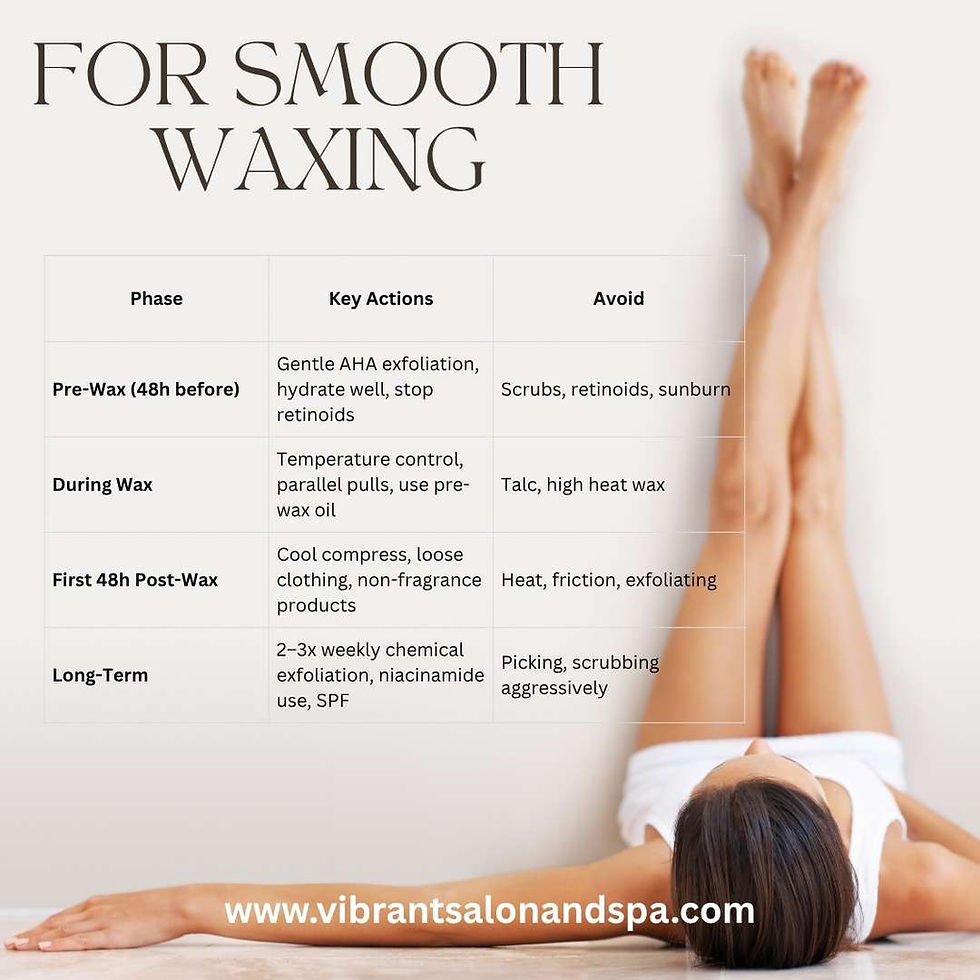
What pre wax steps prevent ingrown hairs?
Clear away dead skin cells before waxing
You need to exfoliate about two days before your waxing appointment to remove dead skin cells blocking your pores. Use products with glycolic or lactic acid to help prevent ingrown hairs from forming later. When you remove dead skin beforehand, the wax can grip hair better and pull it cleanly from the root. This simple step helps prevent future ingrown hairs by ensuring nothing traps the hair follicle during regrowth.
Keep your body hydrated inside out
Drinking enough water makes your skin and hair softer, which sounds simple but really works. Aim for about half your body weight in ounces of water daily leading up to your wax. Well-hydrated skin allows easier hair removal without breaking the hair shaft. When hairs come out smoothly during the waxing process, they're less likely to cause ingrown hairs as they grow back.
Skip strong skincare products temporarily
Stop using strong products at least two days before you wax. These ingredients make your skin thinner and more sensitive, which can lead to skin irritation during hair removal. If you keep using them, the wax might lift actual skin layers along with the hair, creating wounds where bacteria can enter. This increases your risk of bumps and helps create conditions where ingrown hairs can occur more easily.
Get your hair length just right
Your hair needs to be about a quarter-inch long for the best waxing results. Too short and the wax can't grab properly, leading to breaking the hair instead of removing it completely. When hair breaks at the surface, you get blunt tips that easily pierce back into your skin. The right length ensures waxing removes hair from the root cleanly, which helps prevent ingrown hairs after waxing significantly.
How can a professional waxing technician minimize ingrown hairs?
Choosing the right technician makes a huge difference in preventing ingrown hairs after your waxing session. A skilled professional knows expert tips that help prevent bumps and keep your skin smooth. Poor at-home waxing or inexperienced technicians often cause ingrown hairs because they use wrong techniques that break hair shafts.
Here's what separates great waxing professionals from average ones:
Pulling wax strips parallel to your skin, not upward, removes hair cleanly from the root without breaking
Keeping wax temperature controlled prevents hair from snapping off, which would create blunt tips that pierce skin
Applying pre-wax oil instead of powder protects your skin barrier and stops wax from gripping too tightly
Using hard wax on your bikini area grabs only hair, not skin, reducing trauma to the pore opening
Following the opposite direction of hair growth when applying wax ensures complete removal without hairs breaking mid-shaft
When technicians rush or use incorrect tension, they create sharp hair ends that cause transfollicular penetration. This means the hair tip can easily grow back into your skin instead of growing straight out. Professional technique directly affects whether you'll spend weeks treating post-wax ingrown hairs or enjoying freshly waxed skin without irritation.
First 48 hours critical post wax care
After waxing, follicles remain open for 24–48 hours, leaving them vulnerable to infection and clogging. You should
Do:
Use cool compresses to reduce inflammation.
Apply fragrance-free, non-comedogenic hydrators (like squalane or ceramides).
Keep skin clean and dry.
Avoid:
Heat, saunas, and sweating (may introduce bacteria).
Tight clothing that rubs or compresses follicles.
Exfoliating for at least 72 hours post-wax.
Pro Tip: Waxed skin is photosensitive, apply broad-spectrum SPF (especially after facial or leg waxing) to prevent hyperpigmentation.
Which exfoliants work best for long term prevention?
Salicylic acid gets deep into your pores
Salicylic acid works differently than other exfoliants because it's oil-soluble, meaning it can dive deep into your pore openings. This ingredient dissolves the sebum and debris that trap hair as it tries to grow back after waxing.
By keeping your follicles clear, salicylic acid helps prevent ingrown hairs from developing in the first place. Use it two to three times weekly to remove dead skin cells and stop future ingrown hairs before they start.
Glycolic and lactic acids smooth your skin surface
These AHA exfoliants work on the surface of the skin to remove the top layer of dead skin cells. When you exfoliate regularly with glycolic or lactic acid, you're removing dead skin that would otherwise block new hairs from emerging properly.
This keeps the path clear for hair growth to happen straight out instead of curling back into your skin. They're perfect for preventing ingrown hairs because they help reduce the buildup that causes hair to grow sideways.
Niacinamide calms and protects waxed skin
While niacinamide isn't a traditional exfoliant, it's one of the best products for ingrown hairs prevention. This ingredient helps reduce inflammation that narrows your follicles after the hair removal process. It also regulates oil production, which means less sebum to clog pores and trap regrowing hair. By keeping recently waxed skin calm and balanced, niacinamide creates ideal conditions to help prevent bumps and irritation.
Skip physical scrubs that damage skin
Those grainy scrubs and loofahs might feel like they're working, but they actually cause more problems. Physical exfoliants create tiny tears in your skin, which leads to more inflammation and makes it harder for hair to break through. This damaged skin becomes thicker as it heals, trapping new hairs underneath and causing ingrown problems. Stick to chemical exfoliation after waxing for safe, effective removing dead skin without harming your skin barrier.
Tips to safely treat an existing ingrown hair
Finding a bump on your freshly waxed skin can be frustrating, but how you treat it matters. The wrong ingrown hair removal methods can lead to scarring, infection, and even more ingrowns.
Here's the safe approach to ingrown hair treatment:
Never pick or dig at the bump with tweezers, as this invites bacteria and causes permanent scarring
Apply warm compresses for ten to fifteen minutes to soften skin and help the trapped hair emerge naturally
Use salicylic acid or tea tree oil to gently exfoliate and soothe the skin around the ingrown area
See a skincare specialist for persistent bumps; they may suggest alternative like laser hair removal or prescription creams to treat and prevent ingrown hairs
Can ingrown hairs be 100% prevented?
Let's be honest: you can't completely eliminate ingrown hairs, especially if you have curly hair or certain genetics. But you can dramatically reduce how often ingrowns happen and how severe they become with the right waxing skin care routine.
Here's what realistic prevention looks like:
Even with perfect care, people with coarse hair may still get ingrowns ten to twenty percent of the time
Regular waxing every four to six weeks weakens hair roots, making future ingrown hairs less likely over time
Laser hair removal options like Nd:YAG permanently destroy follicles, offering the most effective long-term solution for chronic sufferers
Daily exfoliation and moisturizing must continue forever; skipping your routine lets dead skin cells accumulate and trap hairs again
Ready to finally stop the ingrown hair cycle? Book a professional hair removal session in Fredericton
If you’re dealing with ingrown hairs after every wax, the problem isn’t random, it’s either technique, your hair type, or how your skin reacts. Guessing won’t fix it. You need someone who can actually assess what’s going wrong.
At Vibrant Salon and Spa, our technicians don’t just remove hair, they identify the root cause behind recurring ingrowns. Whether it’s improper past waxing, coarse hair growth, or sensitive skin, we adjust the method to suit you.
And if waxing is not the right fit? We don’t force it. We offer gentler options that is sugaring and longer-term solutions like laser hair removal, because the goal isn’t just smooth skin for a few days, it’s consistent results without irritation.
Stop dealing with the same problem every month. Get a solution that actually works, with the right method, handled by professionals who know what they’re doing.
FAQ's about ingrown hairs prevention after waxing
Why do I still get ingrown hairs even if I exfoliate regularly?
Exfoliation helps, but it doesn’t fix poor hair removal. If hairs are breaking instead of being pulled from the root, they regrow sideways and get trapped under skin.
Can over-exfoliating cause more ingrown hairs?
Yes. Excessive scrubbing damages the skin barrier, causing inflammation and swelling, which can trap new hair under the surface instead of letting it grow out.
Why is the bikini area worse for ingrown hairs?
Hair is thicker and curlier, and the skin is more delicate. This combination increases the chance of hair bending back into the skin instead of growing outward.
Why do I get ingrown hairs even with proper aftercare?
Your issue may not be aftercare; it’s likely technique. Poor waxing angles, wrong wax type, or lack of skin tension can cause hair breakage at the surface.